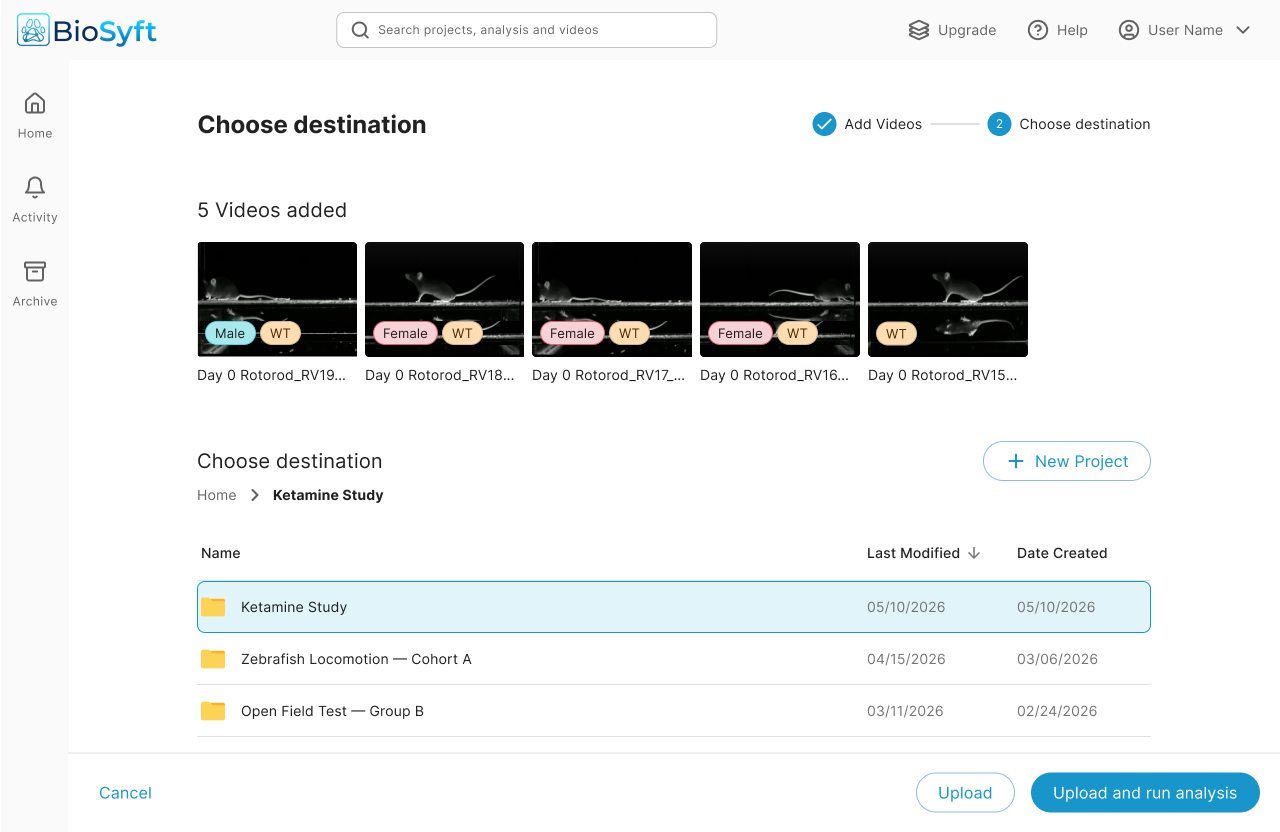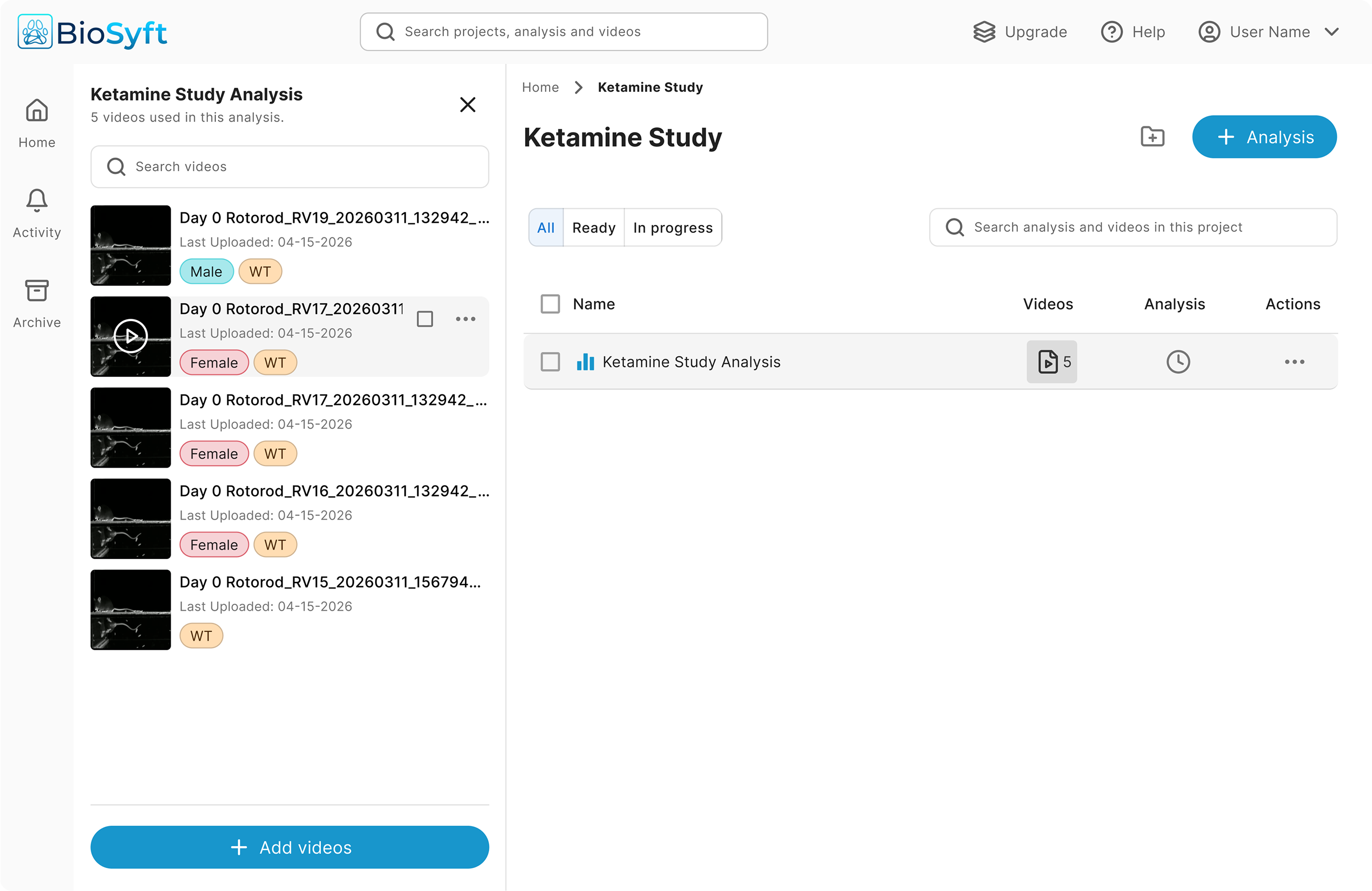
BioSyft builds an AI-powered platform and behavioral testing chamber for preclinical drug research. It digitizes animal subjects during studies to reduce the variability of manual behavioral assessment across labs.

adoption across 11 research labs nationwide

faster delivery to GTM by using AI prototyping
0 > 1, Research, IA, interaction design, design system, prototyping, handoff
CEO (1), CTO (1), engineering team
Figma, Claude Code, FigJam, Zooom
BioSyft Intelligence
This is a limited case study. Please contact me for more details.
.svg)
BioSyft needed research labs to trust and adopt the platform to prove product-market fit, but there was no existing product, design team, or precedent to build from. AI-assisted prototyping and a generated design system let me move from blank slate to shipped screens fast enough to keep pace with the business's timeline.

Through watching technicians' behaviors, I found that trust, not features, was the real barrier. They second-guessed whether videos had actually uploaded, clicked into folders just to confirm nothing was missing, and kept a personal record on the side because they didn't trust the system to reflect reality on its own.
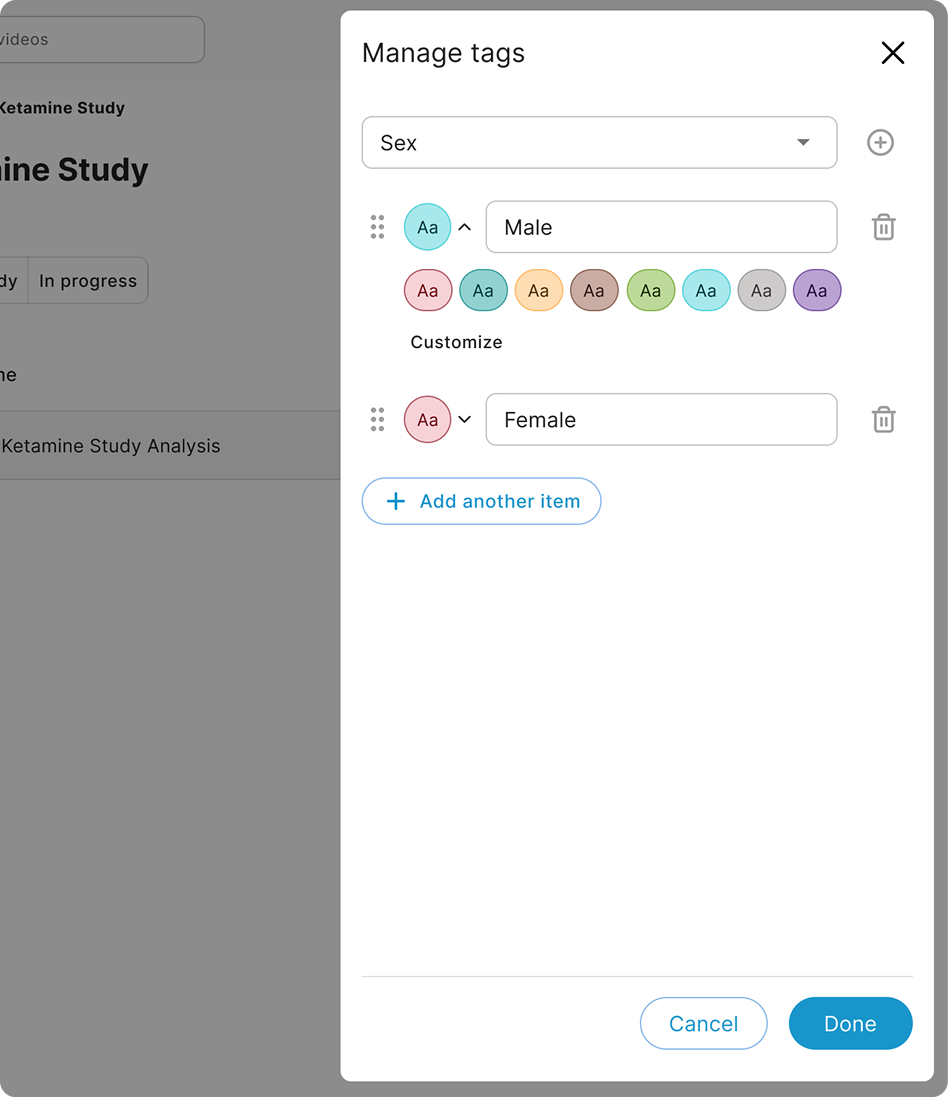
Every video carries metadata that defines the experiment: sex, genotype, experimental condition, day, and more. That metadata was tagged by hand in a separate file, disconnected from the footage it described, a folder named "trial_04_final_v2" and a spreadsheet that supposedly mapped to it.

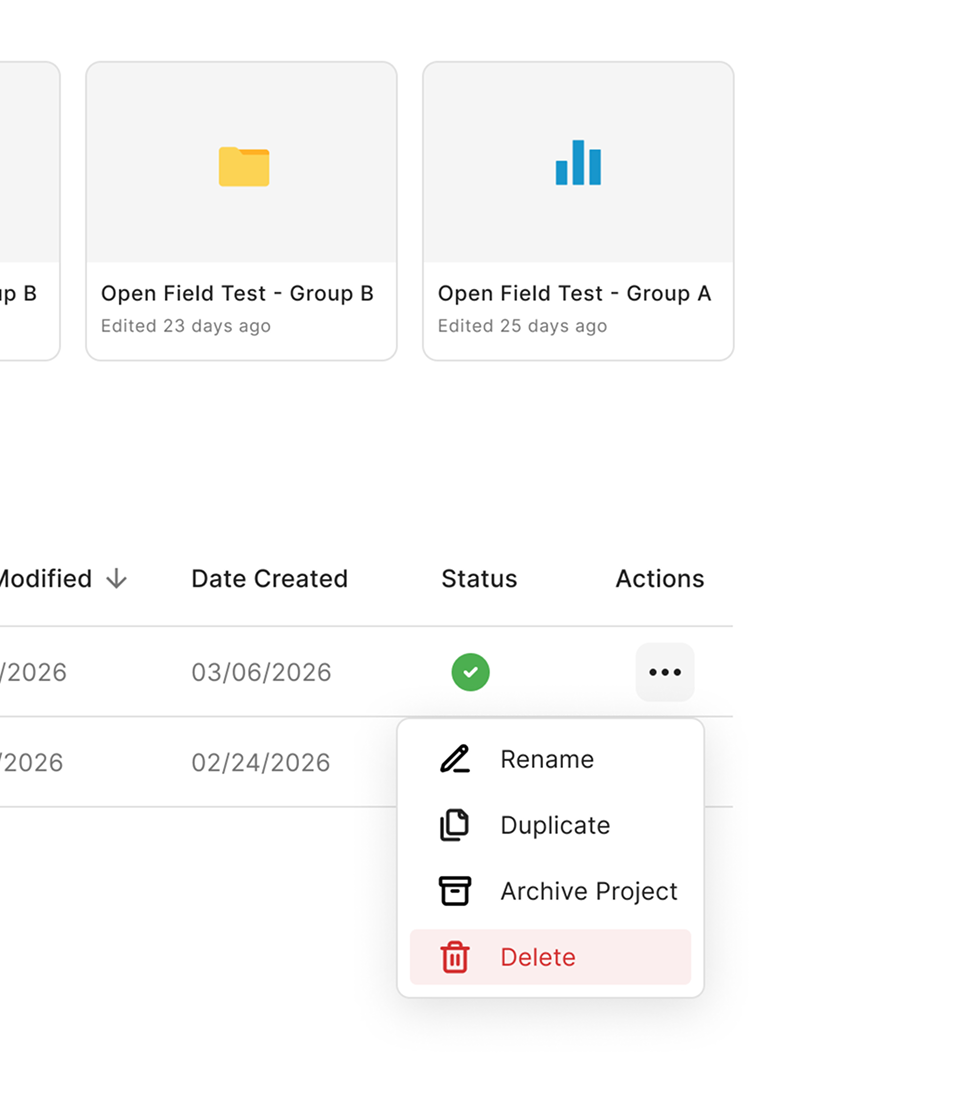
There was no spec, no design team, and no precedent inside the company. So I built a customer story to ground the flow: a lab technician running a multi-day study needs an organized way to see experiments and the videos behind them, so they can trust results without keeping a parallel record of their own.
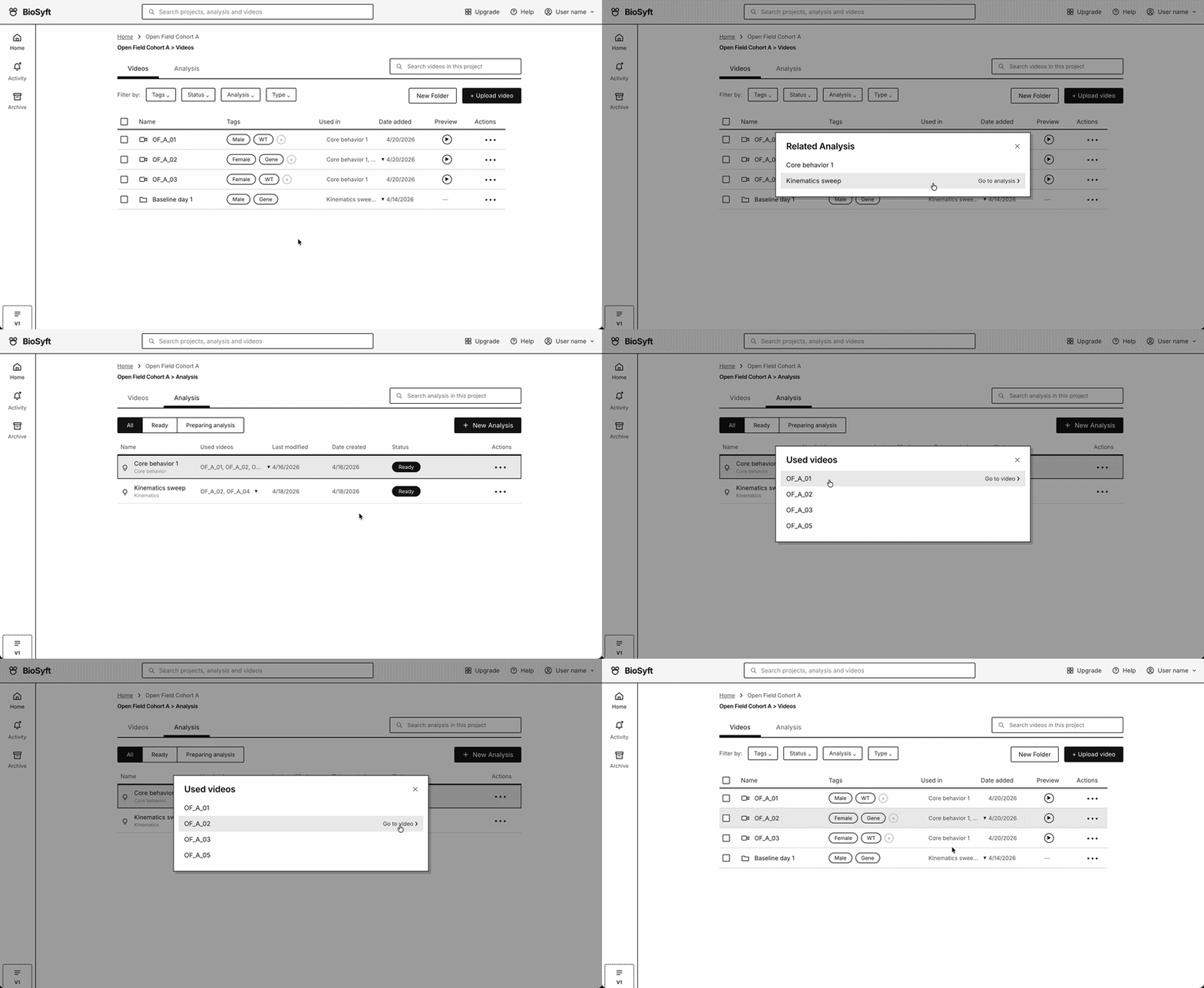


I used Figma MCP and Claude to generate one from just two brand colors, then applied it to build shipped screens. Every structural decision had to hold up against real edge cases engineering surfaced, like a video feeding two analyses or getting retagged after its analysis had already run. Every technician organized their files differently. The IA couldn't assume one "correct" folder structure, it had to work regardless of how a given lab already organized itself.